
Wörner Stoppers for Workpiece Carriers
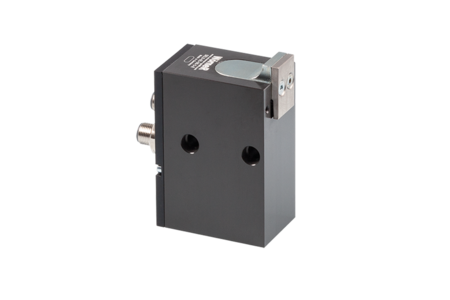
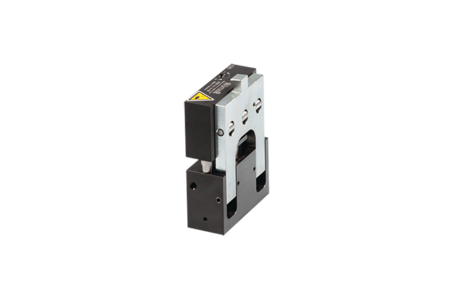
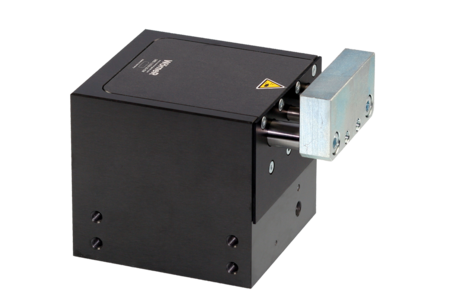
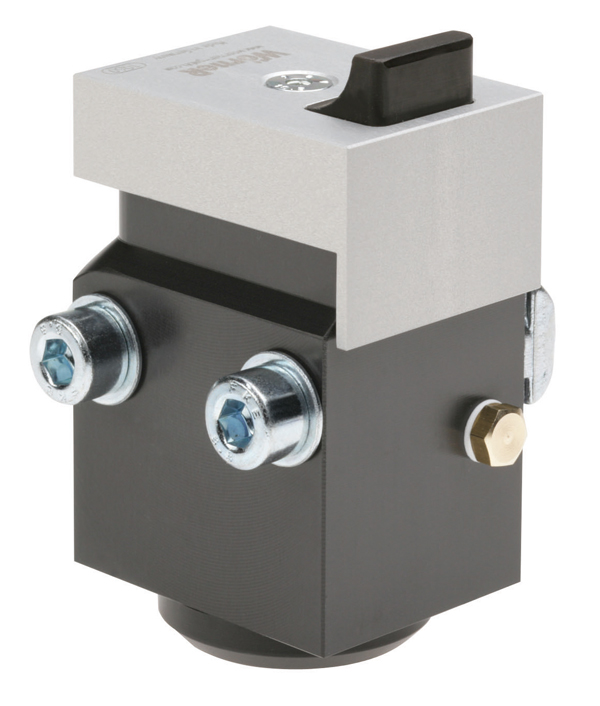
Wörner stoppers halt workpiece carriers and conveyed goods on transfer systems and release them one at a time – pneumatic undamped, pneumatic damped, electric or for roller systems.
Stopping and separating workpiece carriers
Stoppers, also known as separators, are key elements in assembly and transfer systems. They stop workpiece carriers or conveyed goods on a running conveyor, accumulate the following carriers and release exactly one carrier as soon as the next station is ready. This controls the material flow and provides the basis for cycle-based machining and assembly steps.
Versions at a glance
- Pneumatic undamped: D0 series and PNU-395 for applications in which the workpiece carrier can be stopped directly.
- Pneumatic damped: DBS, DBSS and DBSU series in many sizes that decelerate the carrier in a controlled way; according to its product name, the PND-67 corresponds to the DBS 20/60.
- Electric: ELD and DEL series for systems without compressed air or with purely electrical control.
- For roller systems: damped stoppers of the DBSR series designed for roller conveyors.
Selection criteria
The decisive factors are the mass of the workpiece carrier including its load, the conveyor speed, the type of conveyor and the available power supply. The higher the mass and speed, the more a damped version is recommended to avoid impacts on the workpiece and system. Pneumatic stoppers require a compressed air supply and a directional control valve, while electric versions are switched directly by the control system.
Stoppers at KSK Components
At KSK Components you will find Wörner stoppers together with corner dampers, backstops and index cylinders as well as pneumatics, sensors and profile systems from other well-known manufacturers from a single source. Business customers see their individual prices after logging in.
Frequently asked questions
When do I need a damped stopper?
Whenever the impact of the workpiece carrier would put stress on the workpiece, carrier or system – typically at higher masses or conveyor speeds.
Where can I find the permissible loads?
Design data for the individual types can be found in the product description or the manufacturer's documentation.