
Ganter plungers and indexing elements for various assembly
Ganter plungers are connecting elements manufactured according to the Ganter Norm (GN) for manually interlocking two or more parts. When engaged, they restrict the movement of the components or fix them completely. Ganter pins can be released again with one hand. They are therefore ideal for frequent use. This makes them perfect for temporarily adjusting, assembling or locking components.
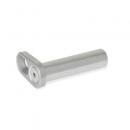

Where are indexing and locking elements used?
Wherever components must be held in defined positions, changed quickly or secured against movement, indexing and locking elements are the standard solution: on fixtures and swivel arms, machine adjustment mechanisms, guards, chassis or sports and fitness equipment. This group includes indexing plungers, ball lock pins, locking pins, indexing latches, spring latches, mini indexing plungers as well as spring plungers and side thrust pins.
Versions and selection criteria
- Indexing plungers and latches: spring-loaded pin that is retracted via knob or handle and engages automatically in a hole, some with a rest position that holds the pin retracted.
- Ball lock pins and locking pins: quick-release connection of two parts through a bore, secured by spring-loaded balls; also available lockable and with plastic knob.
- Spring plungers: ball or pin under spring force for positioning, ejecting or pressing, e.g. with slide-mounted ball; side thrust pins for lateral clamping of workpieces.
- Materials: steel, stainless steel, A4 stainless steel, titanium, zinc die-cast and plastic, depending on load, corrosion resistance and weight.
- Accessories: spacer rings for indexing plungers compensate for different wall thicknesses.
Ganter locking elements at KSK Components
KSK Components offers Ganter's extensive range for indexing, locking and blocking together with clamping and operating elements, profile systems and pneumatics from one source, which reduces procurement effort for design and maintenance. After registering as a business customer, your individual prices are displayed.
Frequently asked questions
What is the difference between an indexing plunger and a ball lock pin?
An indexing plunger is fixed in one component and engages a mating hole with a spring-loaded pin. A ball lock pin is a loose pin inserted through the bores and secured against accidental removal by balls at its tip.
What are spring plungers used for?
They position and hold parts in detents, act as ejectors or provide backlash-free pressure, for example in fixtures.
Are there versions for hygienic or corrosive environments?
Yes, many elements are available in stainless steel, some also in A4 stainless steel.