
WERMA
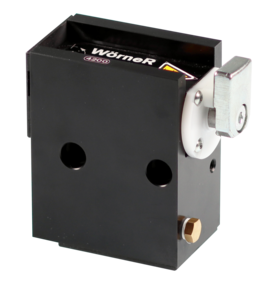
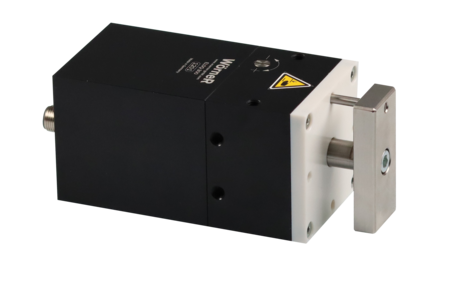
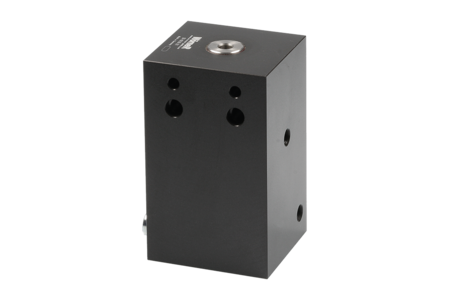
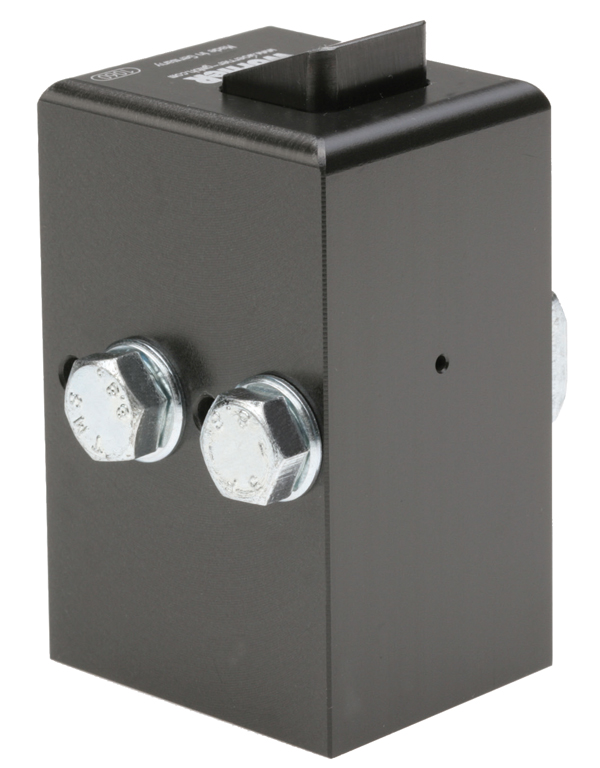
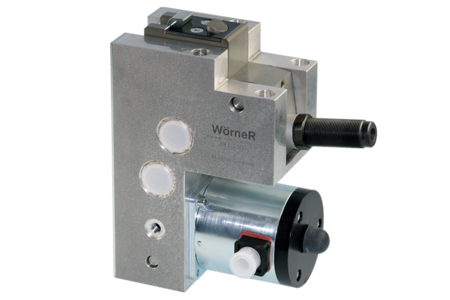
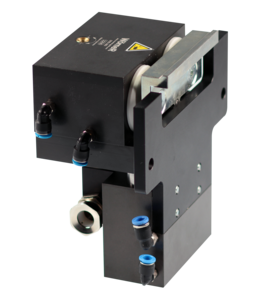
Wörner components for conveyor technology
In automated assembly and transfer systems, workpiece carriers or conveyed goods travel on belt, roller or chain conveyors. Specialised stopping and damping elements make sure they stop safely at workstations, are released one at a time and are positioned precisely. The Wörner range at KSK Components covers these tasks with pneumatic and electric components, from compact sizes to versions for heavy workpiece carriers.
Product groups
- Stoppers: pneumatic undamped, pneumatic damped, electric and damped versions specifically for roller systems.
- Corner dampers: pneumatic and electric versions for stopping workpiece carriers with damping, for example at corner and transverse transfer units.
- Index cylinders: for positioning and locating workpiece carriers at the station.
- Backstops: prevent workpiece carriers from rolling or bouncing back uncontrolled.
- Sliding stops and an acceleration unit for further tasks in the material flow.
Wörner at KSK Components
Wörner components can be combined with aluminium profile systems, pneumatics and other automation components from the KSK range. This lets you source stopping elements, valves, fittings and construction material for your conveyor line from a single supplier. Business customers see their individual prices after logging in.
Frequently asked questions
Damped or undamped – what is the difference?
Undamped stoppers stop the workpiece carrier directly. Damped versions decelerate it in a controlled manner, reducing impact on the workpiece, the carrier and the system – especially at higher masses or conveyor speeds.
How do I find the right size?
The key factors are the mass of the workpiece carrier including its load, the conveyor speed and the installation situation on the conveyor. Design data can be found in the product description or the manufacturer's documentation.
Pneumatic or electric?
Pneumatic components are a good choice when compressed air is already available on the machine. Electric versions need no compressed air supply and can be controlled directly by electrical signals.